blogtopsites.com

Showing posts with label effluent treatment plant design. Show all posts

Friday, 15 June 2018

What Are The Normal Characteristic Of Effluent Treatment Plant Design | Chokhavatia Associates

The characteristics of the Effluent Treatment Plant Design determine the important factors that are related to it. The biological, chemical, and physical properties that affect the quality of effluent must be considered while designing the treatment plant.

Characteristic of Effluent Treatment Plant

  • The physical characteristics of the effluent: You need to consider the physical characteristics of the effluent while designing your plant. This includes the color of the effluent, the constituent solids, its temperature, and even odour. This also means that the presence of suspended solids indicates the poor quality of effluent that makes the treatment difficult.
  • Capability to withstand shock loads: While designing the plant, you should also consider the fact that it needs to be able to withstand the shock loads during festival seasons such as Christmas and New Year. The effluent load can also increase during various festivals.

Read More .....

Monday, 15 May 2017

Why You Should Consider the Characteristics of Effluent During Effluent Treatment Plant Design

There are certain important factors that one should take into consideration while designing an effluent treatment plant. This article will discuss about etp plant design.

 http://chokhavatia.com/services/turnkey-services/effluent-treatment-plants/


The characteristics of the effluent that you should consider are the flow of the effluent along with the biological and chemical properties that have the potential to affect the quality of the effluent.

First of all, decide on the size of the effluent treatment plant design; it actually depends on the inflow into the plant estimated through cubic meters / day almost everywhere in the world. It is necessary to get the right number in terms of the inflow as this will directly influence the hydraulic computations. This also helps to determine the correct size of the conveyors and pipes.

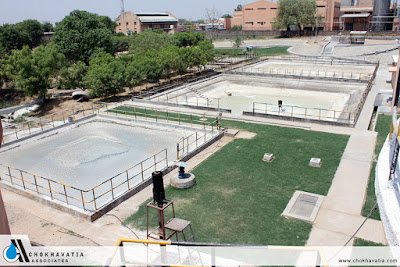
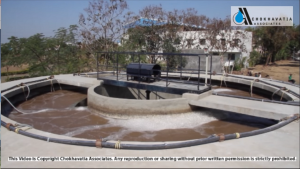
Eflluent Treatment Plant Jaipur


Also, take proper precautions to take into consideration the increase in effluent in foreseeable future. The effluent treatment plant design should be scalable to handle the increasing inflow.

There are also possibilities of seasonal variations that affect the size of inflow. For instance, the inflow could be more during the day than at night. Often time, the inflow is exceedingly more during rainy seasons. You may need to stabilize the inflow of the content so that you may protect the functioning of the treatment process downstream.

The stabilization of effluent can be achieved through the use of equalization tanks. Another benefit of the equalization plant is to decrease the toxic content by mixing with less toxic effluent in the equalization tank.

Also, ensure that the effluent treatment plant handles shock load pretty well during festival times like Christmas, New Year or Ramzan.

So far we discussed about the inflow of effluent into the plant. Now, some physical characteristics of the effluent also influence in the design of the plant. For example, the color of the effluent, temperature and odor influence effluent plant design.

Temperature is an important aspect while treating the effluent. Unfavourable temperature can affect the biological and chemical process of treating the effluent. It can affect the solubility of important gases such as oxygen. A higher temperature promotes various reactions and also supports the solubility of gases like oxygen.

If the temperature of the effluent is maintained at 35 degree Celsius the biological and chemical process may be slowed down or become inactive. In such cases, building the plant underground or introducing other measure like anaerobic digestion to maintain high temperature need to be considered.

Presence of elements like inorganic chemicals, toxins and heavy metals need special treatment process.

The other factors that need to be considered are the odor and color of the effluent; they indicate the absence of pre-treatment before discharging into the sewerage network.

In case the effluent water is of low quality, complex design may be required.

Sunday, 25 December 2016

Factors Affecting the Quality of Effluents in Effluent Treatment Plant Design

The quality of effluent in your treatment plant is of great importance. The characteristics of the effluent determine the important factors that are related to it. The biological, chemical, and physical properties that affect the quality of effluent must be considered while designing the treatment plant. Some of the parameters that need to be considered are:


  • Size of the effluent treatment plant: You need to decide how large the effluent treatment plant needs to be.  So that you get the hydraulic computations right, you need to compute the estimated effluent inflow in to the plant as well as the size of the conveying pipes and effluent channels.

  • Properly estimate the effluent inflow: You will also need to incorporate the design in such a way that the inflow of effluent can be accounted for and built scalably in the foreseeable future.

  • Estimate the seasonal variations: You will also need to estimate the seasonal variations in the size of the inflow. Moreover there could be larger inflows during the day compared to the night. What’s more, the inflow is likely to be greater during the rainy season. This inflow needs to be stabilized or made near constant so that the treatment process downstream remains functional.

  • Use of equalization tanks and ponds:  Such tanks and ponds offer additional benefits. In many cases, toxic substances present in the effluent can affect the effluent processes. Thus the toxic effluent can be reduced by diluting it in equalization ponds with the help of effluent that is composed of lesser toxins.

  • Capability to withstand shock loads: While designing the plant, you should also consider the fact that it needs to be able to withstand the shock loads during festival seasons such as Christmas and New Year. The effluent load can also increase during various festivals. 

  • The physical characteristics of the effluent: You need to consider the physical characteristics of the effluent while designing your plant. This includes the colour of the effluent, the constituent solids, its temperature, and even odour. This also means that the presence of suspended solids indicates the poor quality of effluent that makes the treatment difficult. 

  • What about solid material: Solid particles can consist of a variety of material such as grease or floating debris. This indicates that the effluent has not been effectively treated earlier. 

  • Other factors: Other factors include turbidity of effluent, quantity of silt present and also the temperature of the effluent. An unfavorable temperature can also impair the necessary biological as well as chemical processes. 

To conclude, it is essential that inorganic chemicals, heavy metals, toxic metals, etc. need special treatment processes. The scarcity of water is also important factor that needs to be considered. If you risk contaminating ground water or a nearby running stream or river, then you will need to consider better techniques for effluent treatment plant design.